
Every plastic part presents a different set of design considerations. A storage container may require a stable base and a lid that fits properly, while a planter may need drainage openings and a structure suited to its intended installation. For components with multiple sections, the relationship between individual features can also affect how the mold is designed.
When developing molds for Household Products, engineers need to review the part geometry alongside the expected production method. Deep sections, undercuts, narrow ribs, and complex surface details may require additional tooling features or changes to the original design. Some features can be adjusted to simplify mold construction without affecting the part's intended function.
This review is particularly useful when a buyer provides an existing sample or preliminary drawing. The mold manufacturer can assess whether the proposed geometry is suitable for tooling and identify details that may need clarification before machining begins.
A mold is expected to produce parts within an agreed specification across repeated molding cycles. Achieving that result requires attention to more than the overall shape of the cavity. Gate location, venting, cooling layout, and the ejection system all need to be considered in relation to the part's geometry and material.
Uneven cooling can contribute to warpage or dimensional variation, while unsuitable gate placement may affect surface appearance and filling behavior. Ejection also needs to be planned carefully so that molded parts can be released without unnecessary damage or deformation.
For manufacturers sourcing Household Products molds, these engineering details can influence production stability and the amount of adjustment required during trials. The appropriate design depends on the specific component, resin, machine conditions, and required output. A tooling solution that works well for one product should not automatically be applied to another.
Before a mold enters regular production, trial molding provides an opportunity to assess how the tooling performs under actual processing conditions. The resulting samples can be checked against the agreed drawings and product requirements, including dimensions, fit, surface appearance, and visible molding defects.
The trial stage may reveal issues that were not fully apparent during design review. For example, a component may show local shrinkage, incomplete filling, flash, or difficulty during ejection. The cause needs to be assessed before deciding whether to adjust processing parameters, modify the mold, or revise the part design.
For Household Products projects, buyers and mold manufacturers should establish acceptance criteria before sample evaluation. Clear drawings, measurement points, and agreed sample requirements make feedback more useful and reduce the risk of repeated revisions caused by different interpretations of the product specification.

Expected order volume is another important input during mold planning. A project intended for limited production may have different tooling priorities from one designed for sustained, high-volume output. Cavity quantity, mold construction, cooling efficiency, and maintenance access should be considered in relation to the projected production plan.
Multi-cavity tooling can increase output per molding cycle, but it also introduces additional design and process considerations. The cavities need to fill consistently, and the overall mold structure must suit the intended machine and part requirements. A higher cavity count is therefore not automatically the most economical option for every project.
When sourcing Household Products tooling, buyers should discuss expected annual demand, estimated batch sizes, target cycle time, and anticipated product changes. These details give the mold manufacturer a more practical basis for evaluating the tooling configuration and its long-term production requirements.
Mold development usually involves several rounds of technical communication between the product owner and the tooling supplier. Drawings, three-dimensional files, material information, surface requirements, and sample feedback all contribute to the final specification.
Changes made after machining has started may affect cost and lead time, particularly when they involve the cavity geometry or major mold components. Buyers can reduce avoidable revisions by confirming critical dimensions, functional requirements, appearance expectations, and any special production conditions before approving the design.
For overseas projects, documented feedback is especially valuable. A marked-up drawing or measurement report gives both parties a clear reference when discussing sample corrections. It also provides a record that can be used when the mold is transferred into regular production or maintained for future orders.
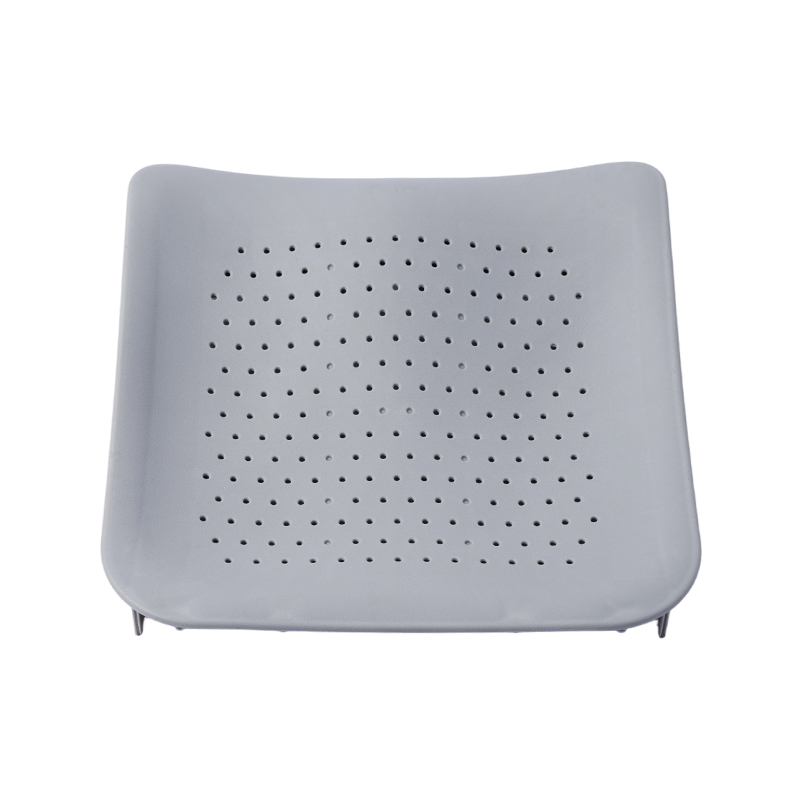
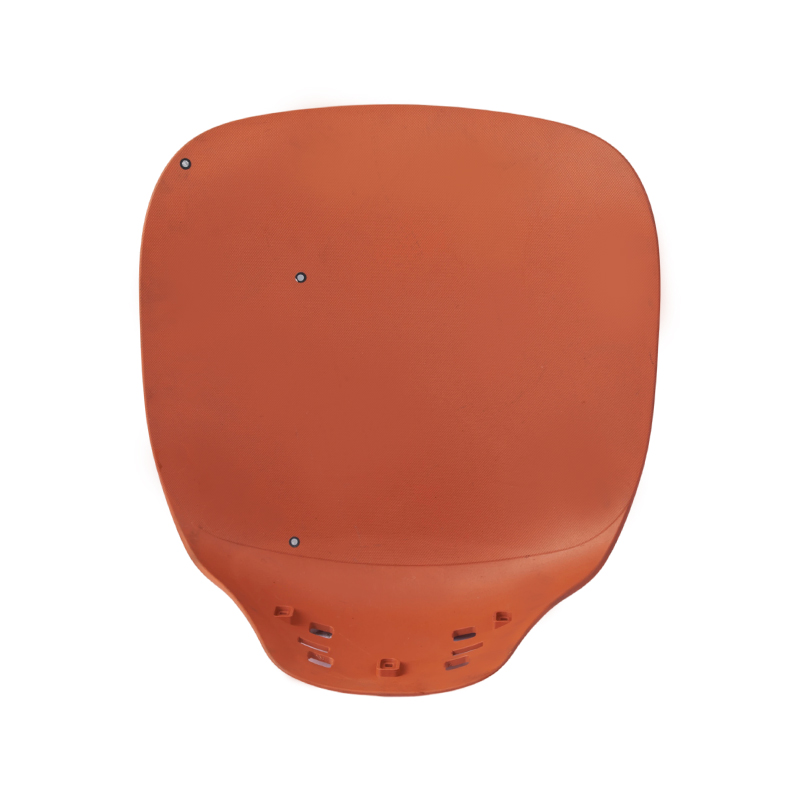
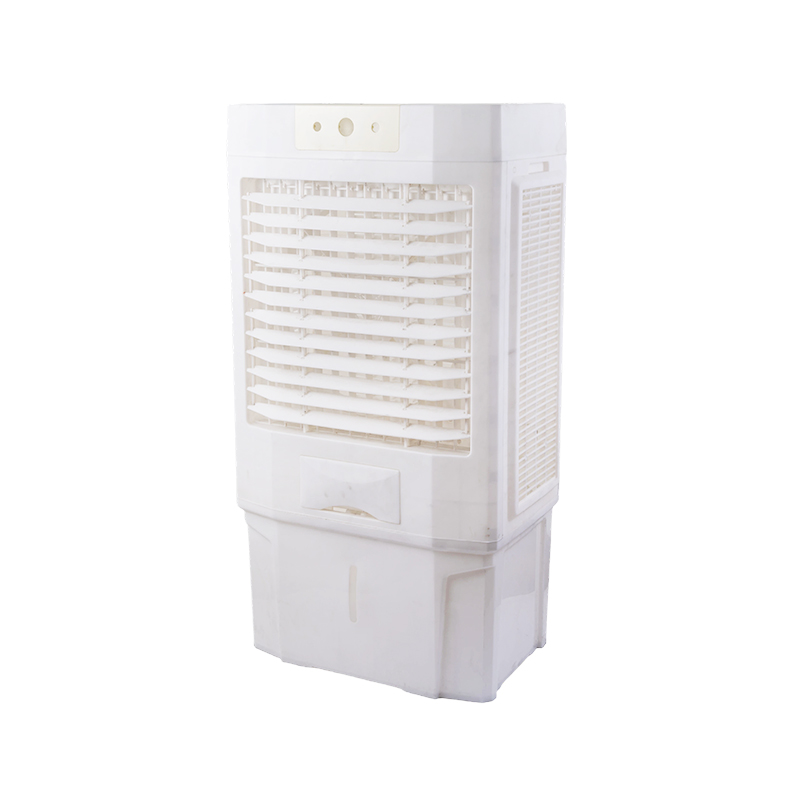
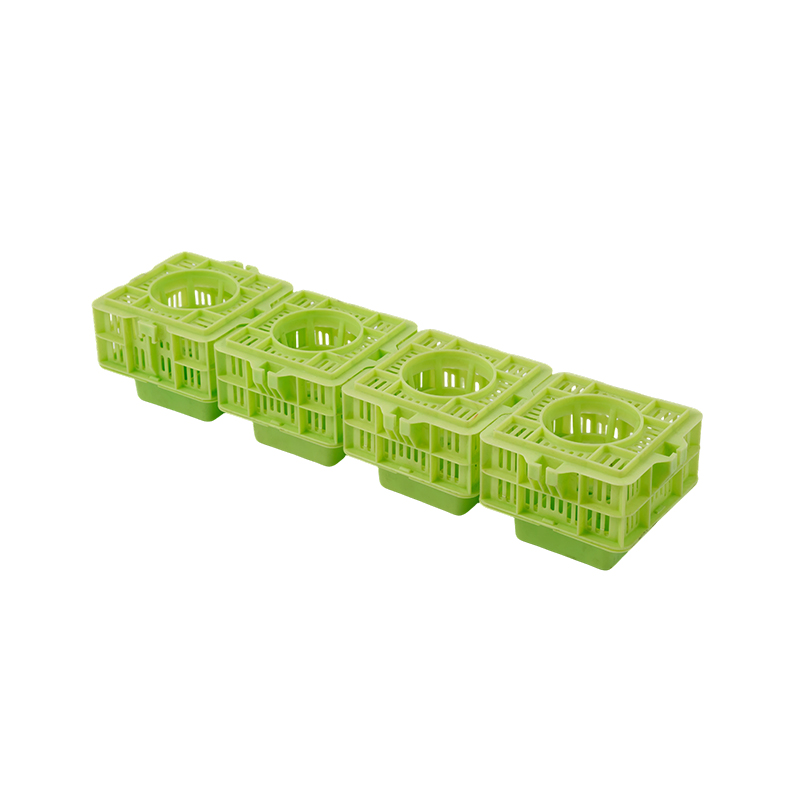
Taizhou Huangyan Bonuo Mould Co., Ltd. manufactures molds for several plastic product categories, including daily necessities, school furniture, air-conditioning components, and turnover boxes. For buyers developing new Household Products, the relevant next step is to provide the product drawings or sample, intended material, estimated production volume, and key acceptance requirements for a project-specific tooling assessment.
Successful mold sourcing depends on matching the tooling design to the part and its production plan. With clear specifications, structured trial evaluation, and early communication about manufacturing requirements, buyers can make better-informed decisions before moving from product development to repeat production.


Product Categories
Contact Us

+86-13586020128

No. 118, Xiangnv Road, Chengjiang Street, Huangyan District, Taizhou City, Zhejiang Province, China
Ready to Begin?
Get in Touch

Now!

BONUO
 English
 русский
 Español
 عربى

