
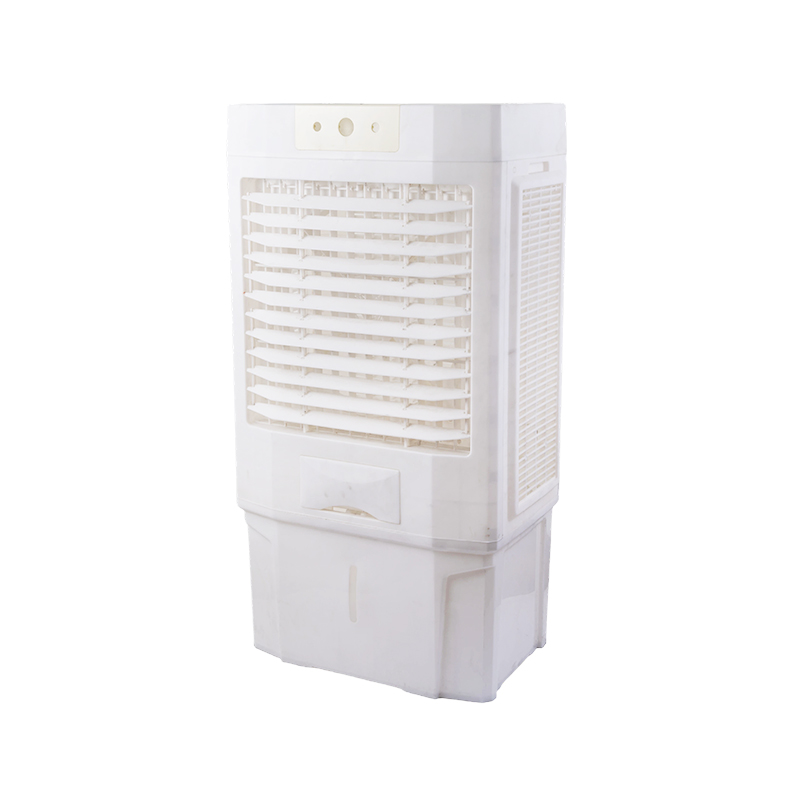
Air conditioner housings and structural plastic parts often combine large surface areas with tight assembly relationships. That combination creates a different mold-making challenge from smaller injection-molded components. Large cavities, visible surfaces, thin sections, and moving features all need to work together during injection and ejection. The Air Conditioner Plastic Mold category therefore places particular attention on mold structure and production stability.
Taizhou Huangyan Bonuo Mould Co., Ltd. lists air conditioner molds among its core mold categories. Its product information describes these molds as typically large and requiring high precision so produced parts can fit together correctly. Complex parts may also use moving cores or sliders when the geometry requires features that cannot be released through a simple opening direction.
The size of an air conditioner plastic component affects cavity layout, steel support, injection filling, and cooling. A larger projected area can create different filling behavior from a compact component, while long walls and broad cosmetic surfaces can make deformation easier to notice.
For an Air Conditioner Plastic Mold, engineers consider the product drawing, wall structure, draft, parting line, and release direction before machining begins. Large molds also place greater demands on machining accuracy because the cavity and core must maintain their relative positions during repeated closing cycles.
Cooling is closely connected to production cycle time and dimensional consistency. Plastic remains hot after filling, so heat needs to leave the molded part through the mold cooling system before ejection.
A mold cooling system with suitable channel placement can distribute heat removal across the cavity. Large or unevenly shaped air conditioner components may require attention to areas that cool at different rates. If one region remains hotter than another, shrinkage can vary across the part and contribute to dimensional changes.
For manufacturers producing an Air Conditioner Plastic Mold, cooling design belongs to the early engineering stage. Channel position, spacing, and accessibility need to be considered alongside cavity geometry.
Air conditioner housings can contain openings, undercuts, ribs, and side features that affect how the molded component can leave the cavity. A simple two-plate opening direction cannot release every geometry.
Moving cores and sliders provide alternative movement during mold opening. Their travel direction and available space need to be coordinated with the parting surface and ejection system. The Air Conditioner Plastic Mold may become more mechanically complex when the product contains several side actions.
These mechanisms also introduce additional wear points. Guide systems, locking surfaces, and moving inserts need appropriate machining and inspection so repeated cycles do not gradually change the intended geometry.
Air conditioner plastic parts often contain broad visible areas, so cavity quality affects more than dimensional accuracy. Surface marks, machining traces, weld lines, and uneven texture can become visible on the finished housing.
At the same time, cavity design needs to support filling and ejection. Gate location, runner layout, vents, and draft angles interact with product geometry. For an Air Conditioner Plastic Mold, trial molding can examine filling, parting-line performance, ejection, and surface quality before regular production.
Mold quality inspection starts with machined components but does not end there. Cavity and core dimensions, insert positions, slider movement, and alignment can be checked during assembly. After trial injection, the molded part provides another reference for evaluating the mold.
Dimensional inspection can compare key product features against the approved drawing. Teams may also examine flatness, hole positions, assembly interfaces, and visible surfaces according to the component requirements.
For an Air Conditioner Plastic Mold, this two-stage approach connects mold machining with the actual molded result and creates a clearer record for later adjustments.
Air conditioner molds can enter long production cycles, making maintenance and process records useful after initial acceptance. Mold drawings, component records, inspection results, and trial data provide references when inserts or wear components require attention.
Bonuo's stated services include production monitoring as well as maintenance and repair support for customized molds. Its broader manufacturing range covers air conditioner molds alongside school furniture, turnover box, automotive, daily-use, and die-casting molds.
As air conditioner components combine large surfaces with complex structural features, mold manufacturing depends on coordinated cavity design, cooling, moving mechanisms, machining, and inspection. The Air Conditioner Plastic Mold is consequently a production system in which these engineering elements need to remain aligned.
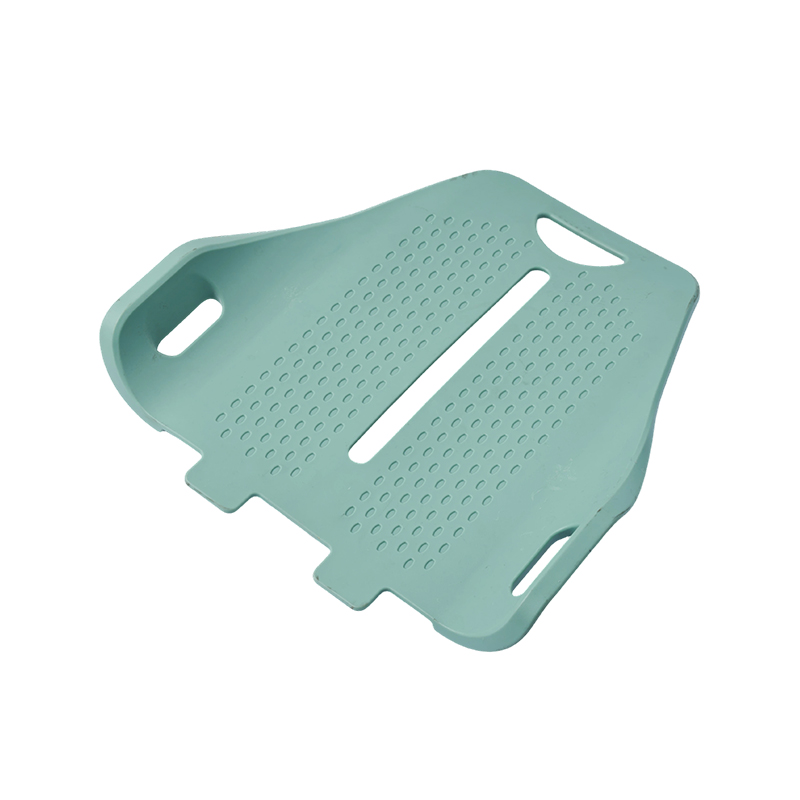
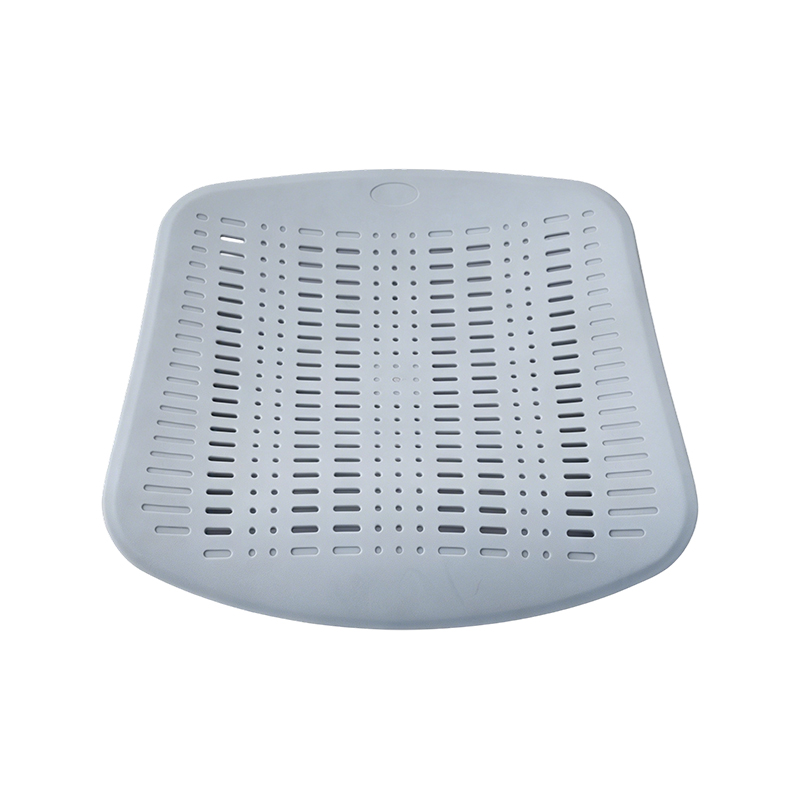
For plastic product manufacturers, developing new Household Products involves more than preparing a product drawing and selecting a resin. The mold must translate the intended design into a repeatable manufacturing process. Dimensions, wall thickness, parting lines, ejection arrangements, and cooling channels all influence how a plastic component can be produced. Addressing these details early helps manufacturers evaluate tooling requirements before committing to mass production.



Product Categories
Contact Us

+86-13586020128

No. 118, Xiangnv Road, Chengjiang Street, Huangyan District, Taizhou City, Zhejiang Province, China
Ready to Begin?
Get in Touch

Now!

BONUO
 English
 русский
 Español
 عربى

