
The manufacturing process of school desk and chair molds mainly involves various processing techniques, depending on the materials and design requirements of the desks and chairs. The following are common manufacturing processes:
Main Manufacturing Processes
Machining: Including turning, milling, drilling, etc., used for precision forming and detail processing of molds. For example, CNC machine tools can process mold parts with complex shapes.
Special Machining: Such as electrical discharge machining (EDM), suitable for mold manufacturing of high-hardness materials, enabling fine cavity machining.
Welding and Repair: Used for connecting or partially repairing mold parts, ensuring the integrity and service life of the mold.
Heat Treatment: Improving the hardness, wear resistance, and fatigue resistance of the mold through processes such as quenching and nitriding.
Grinding and Polishing: Improving the surface finish of the mold, ensuring the surface quality of injection-molded or die-cast school desk and chair parts.
Mold Type and Process Correspondence
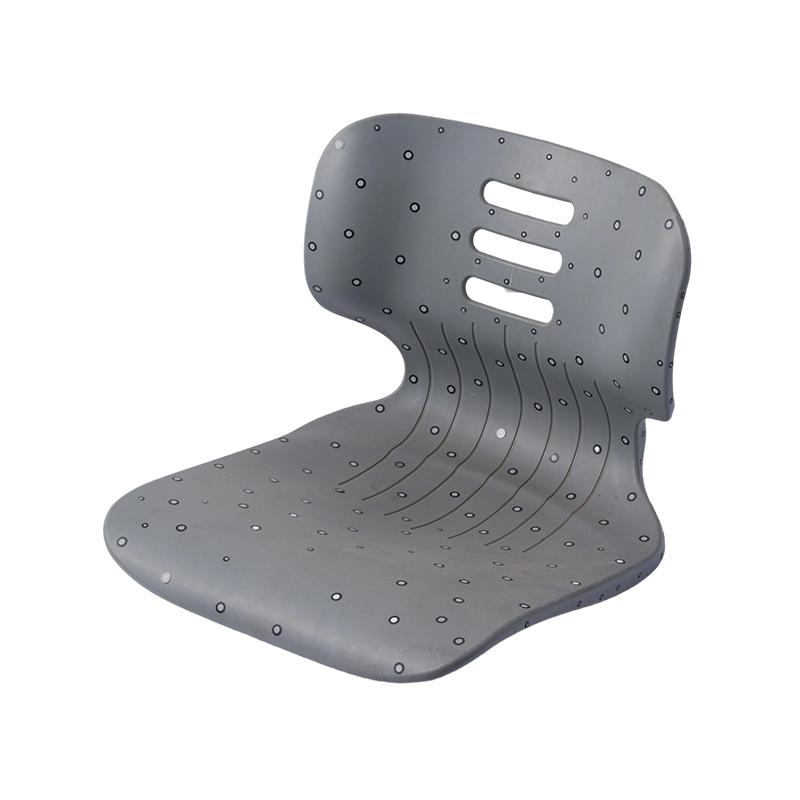
Plastic Molds: Mostly use injection molding processes, requiring the combination of machining and polishing techniques.
Metal stamping dies: Suitable for steel desk and chair frames, requiring forging and precision machining.
Die casting dies: Used for forming metal parts such as aluminum alloys, requiring high-temperature resistant materials and heat treatment processes.
Modern technology applications:
Rapid prototyping technology: Such as 3D printing, which can accelerate mold prototype development.
Virtual design: Optimizing the production process by simulating the mold structure through software.
The above processes need to be selected and combined according to the specific materials (such as plastic and metal) and structural complexity of the desks and chairs to ensure mold precision and production efficiency.


Product Categories
Contact Us

+86-13586020128

No. 118, Xiangnv Road, Chengjiang Street, Huangyan District, Taizhou City, Zhejiang Province, China
Ready to Begin?
Get in Touch

Now!

BONUO
 English
 русский
 Español
 عربى
عربى
