
The material selection for air conditioner molds depends primarily on the specific application of the mold and the characteristics of the parts it produces. Below are some commonly used materials for different air conditioner molds and their characteristics:
1. Fin Mold Materials
Fin molds are typically used to stamp aluminum or copper foil to produce fins for air conditioner heat exchangers. These molds require extremely high wear resistance and precision.
Common Materials: High-carbon steel or alloy steel, hardened and tempered to improve hardness and wear resistance. Some high-end molds use Swedish steel (such as ASP2030) as the cutting edge material and are equipped with MISUMI standard parts to enhance durability.
Characteristics: Must withstand high-speed stamping (up to 300 times/minute), and the fin hole spacing accuracy must be controlled within 0.01mm.
2. Plastic Housing Mold Materials
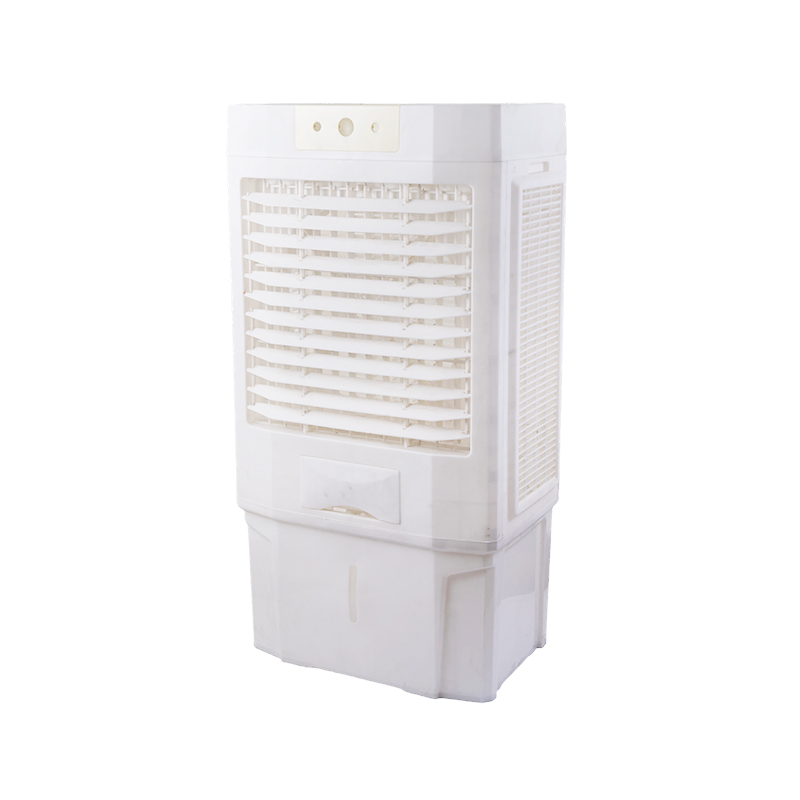
Air conditioner plastic housings (such as panels and bases) mostly use injection molds. The material must balance heat resistance, strength, and surface finish.
Commonly Used Materials: Flame-retardant PC/ABS alloy. This material boasts high heat resistance, dimensional stability, and good impact toughness, making it widely used in automotive parts, appliance housings, etc. For high-gloss or transparent parts, materials with excellent polishing properties (such as Corradi CP136) may be selected.
Characteristics: Must be suitable for mass production, and the presence of glass fiber or flame retardants in the plastic parts must be considered, leading to the selection of corrosion-resistant steel (such as 2316) or general-purpose pre-hardened steel (such as P20/718H).
3. Automotive Air Conditioner Main Mold Material
Automotive air conditioner molds have higher requirements for sealing and heat exchange efficiency, and the material must meet the demands of high strength and precision machining.
Commonly Used Materials: High-quality mold steel, ensuring hardness and wear resistance through precision machining and heat treatment (such as CNC, EDM).
Characteristics: The design must incorporate aerodynamic principles, and dimensional accuracy (such as surface roughness and assembly precision) must be strictly tested.
4. Other Special Mold Materials
Thick-walled fin molds: For material thicknesses of 0.3-0.45mm, O-temper or H22-temper aluminum foil may be used, with a flange height exceeding 10mm.
Copper/steel fin molds: Copper fins commonly use material thicknesses of 0.115-0.15mm, and steel fins 0.15-0.2mm. The material must be adapted to the stamping characteristics of different metals.
Summary
The core of material selection for air conditioning molds is matching the key pain points of their working environment. For example, fin molds emphasize wear resistance, plastic shell molds focus on heat resistance and surface quality, while automotive molds emphasize precision and strength. Cost must also be considered to avoid excessive material selection.


Product Categories
Contact Us

+86-13586020128

No. 118, Xiangnv Road, Chengjiang Street, Huangyan District, Taizhou City, Zhejiang Province, China
Ready to Begin?
Get in Touch

Now!

BONUO
 English
 русский
 Español
 عربى
عربى
