
Ask what "custom" means in mold production and the answer changes depending on what the mold is meant to produce. Custom mold manufacturing for a school desk looks nothing like custom tooling for an air conditioner housing, even though both start from the same injection-molding process — the engineering priorities shift entirely based on what the finished part has to do.
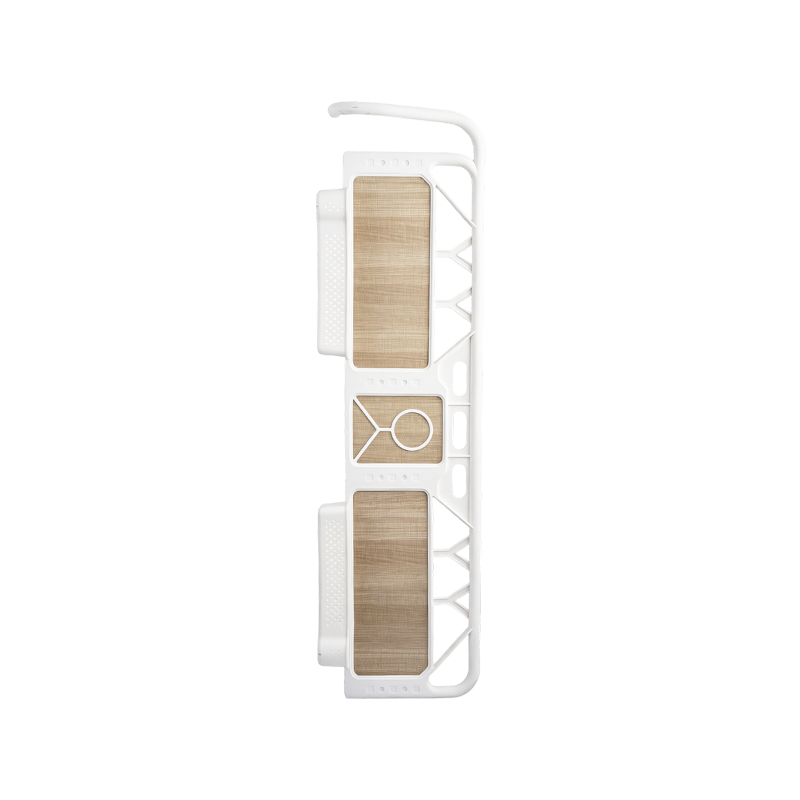
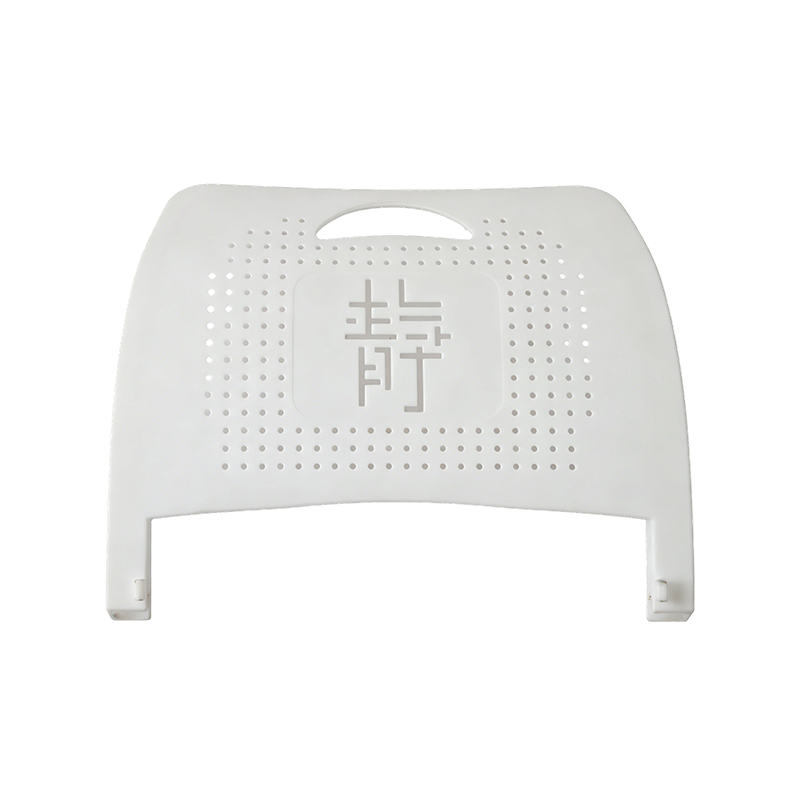
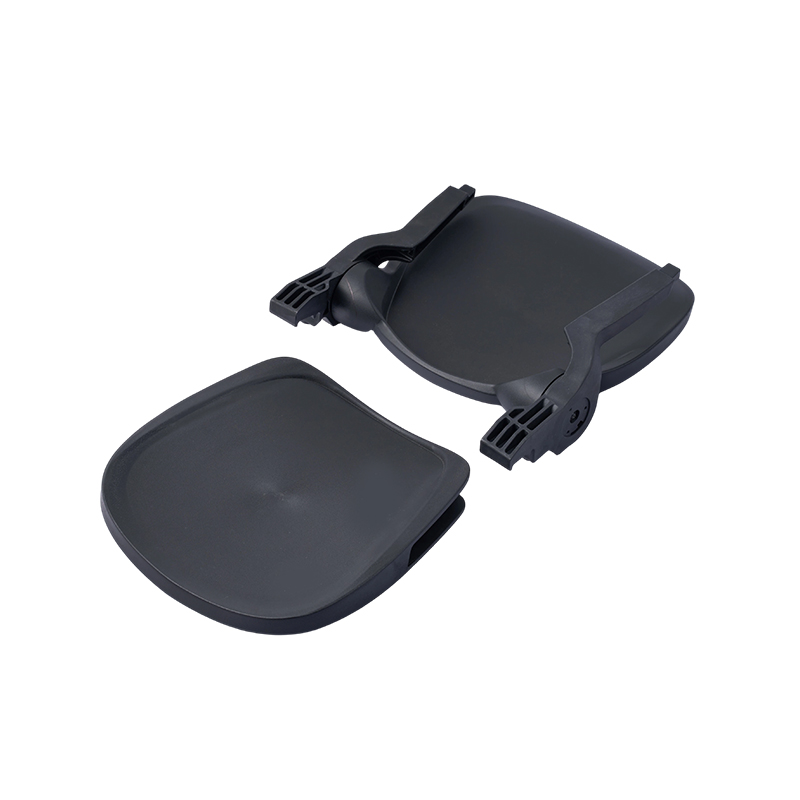
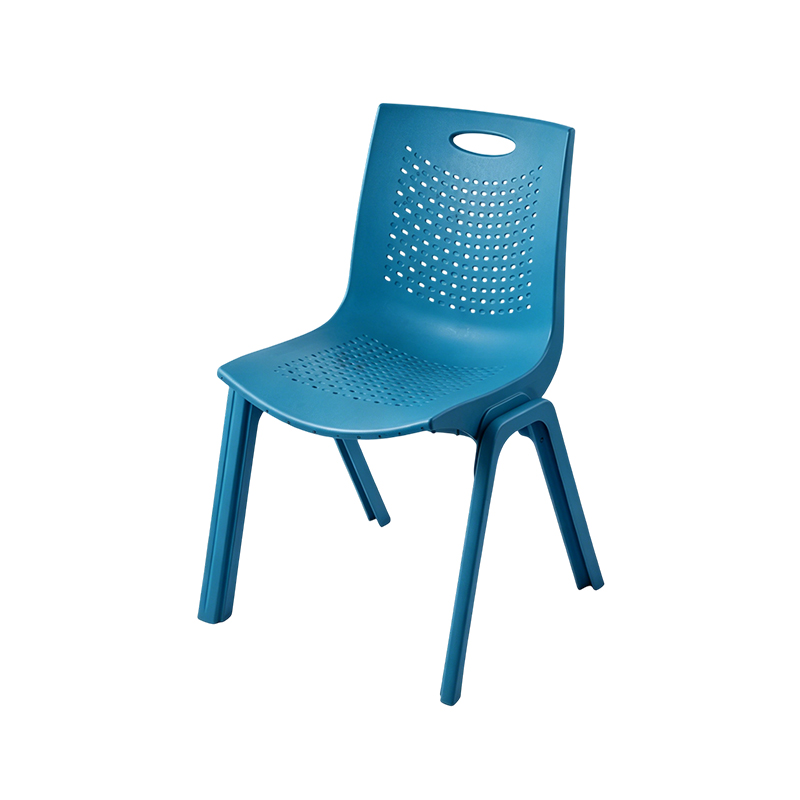
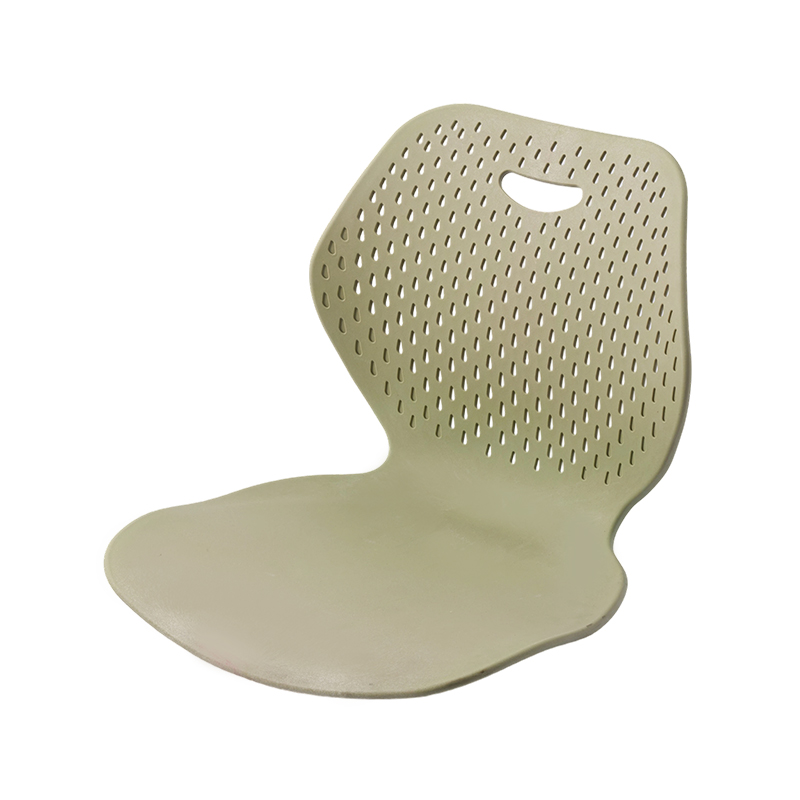
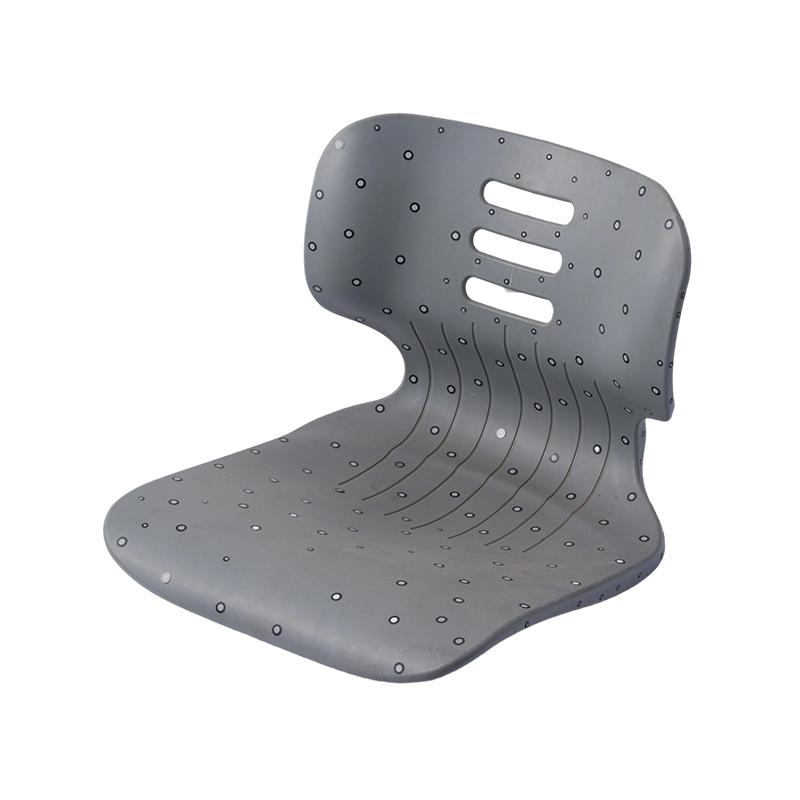
For a part like a dormitory bed guardrail, the priority behind custom mold manufacturing is almost entirely structural — impact resistance, rounded edges to prevent injury, and a precise fit against the bed frame so the guardrail installs securely without wobble. Wear-resistant plastic materials and tight dimensional consistency matter here not for appearance but because a loose or flexing guardrail defeats the part's basic purpose. School furniture molds in general lean this direction: rib layout and wall thickness get tuned for strength-to-weight ratio rather than surface finish.
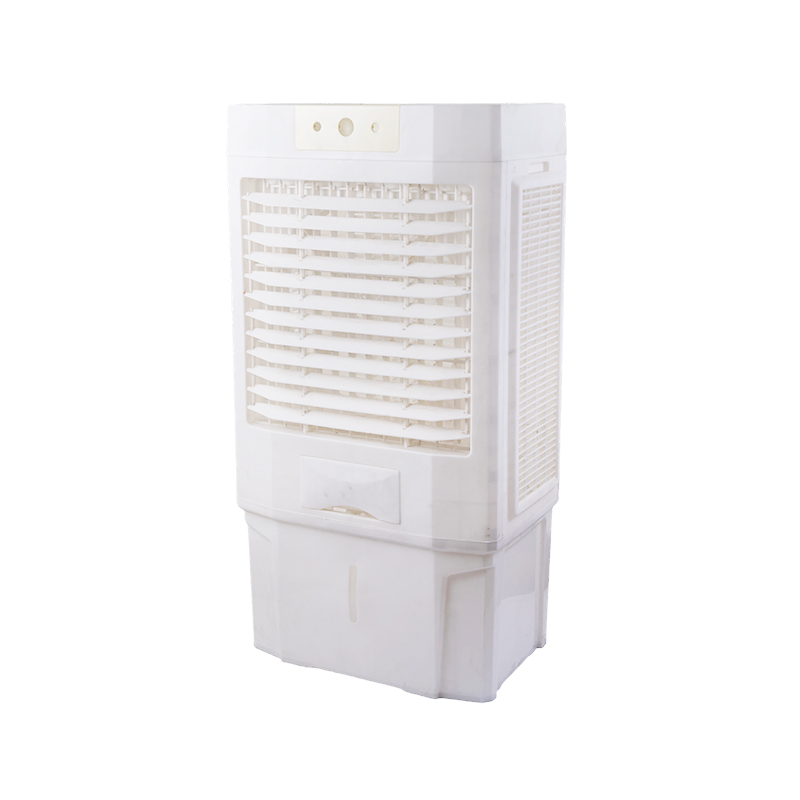
Move to a housing part like an air conditioner panel, and custom mold manufacturing priorities shift toward a different problem entirely: large surface area combined with a visible, cosmetic finish that has to look consistent across every unit produced. Parts in this category often need multiple moving cores or slides to release cleanly from the mold without damaging the surface, which adds mechanical complexity to the tool itself even when the finished part's structural demands are comparatively modest.
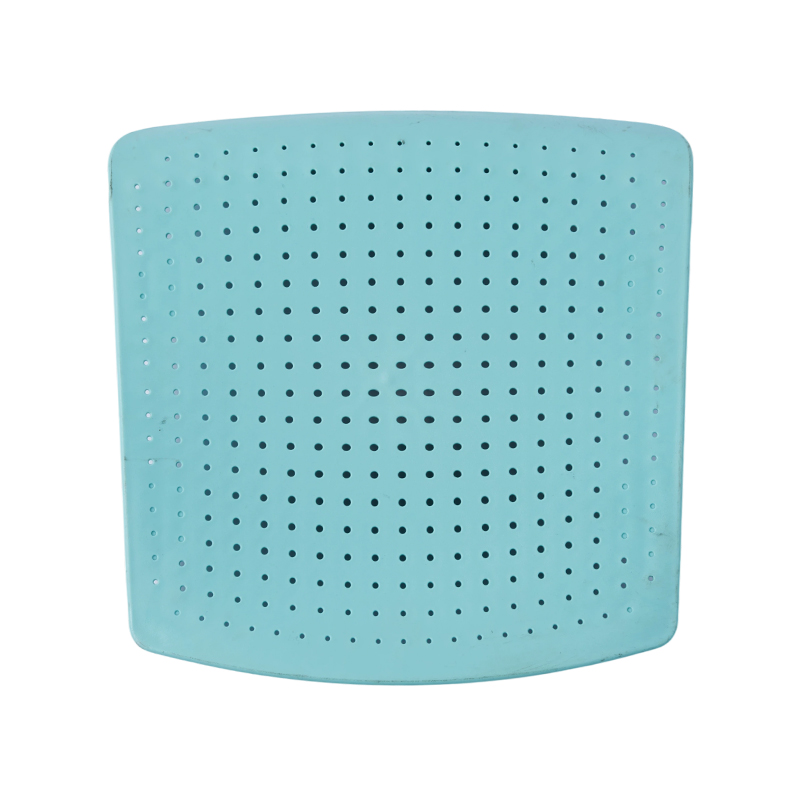
For smaller, high-volume items — storage containers, pill boxes, planters, and similar daily-use products — custom mold manufacturing shifts again, this time toward cavity efficiency. Multi-cavity tools running four, eight, or more cavities per cycle bring down the per-part cost that high-volume buyers depend on, but only if cavity balance and cooling channel placement are dialed in precisely enough that every cavity fills and cools evenly. A design that works fine as a single-cavity prototype can behave very differently once it is scaled to a multi-cavity production tool.
These differing priorities carry through into steel selection and cooling design. A structural part built for repeated mechanical stress generally calls for a harder, more wear-resistant tool steel than a cosmetic housing part, where surface polish and dimensional stability across a large area matter more than raw hardness. Cooling channel layout follows a similar logic — placement that works for a compact daily-use item does not necessarily transfer to a wide, flat panel mold, where uneven cooling can show up as visible warping rather than just a dimensional tolerance issue. This is one of the clearer signs that custom mold manufacturing decisions are being made at the category level rather than applied as a single fixed process.
Because the engineering problem differs so much by category, custom mold manufacturing timelines and costs are rarely comparable across product types even at similar part sizes. A guardrail mold with straightforward geometry can sometimes move through design and tooling faster than a cosmetic AC panel mold requiring multiple slide mechanisms, regardless of which part is physically larger. Buyers requesting quotes across several product categories from the same manufacturer often see this reflected in quoted lead times as much as in price.
For buyers and product developers sourcing across multiple part categories, useful comparison points include the mold steel grade relative to expected production volume, whether the part requires cosmetic-grade surface finishing, cavity count relative to target unit cost, and how a manufacturer's category-specific experience — school furniture, appliance housings, or daily-use containers — maps onto the part being developed. Taizhou Huangyan Bonuo Mould Co., Ltd., based in Huangyan District, Taizhou, produces tooling across this same range of categories, which lets a buyer developing several different part types work from custom mold manufacturing experience specific to each one rather than a single generalized process applied uniformly.


Product Categories
Contact Us

+86-13586020128

No. 118, Xiangnv Road, Chengjiang Street, Huangyan District, Taizhou City, Zhejiang Province, China
Ready to Begin?
Get in Touch

Now!

BONUO
 English
 русский
 Español
 عربى
عربى
