
Cycle time is the number a plant manager checks at the start of every shift, and much of it is fixed long before steel is cut. Buyers who source molds for chair seats, desk panels, air conditioner housings and storage boxes see the same pattern: the parts differ, but the decisions that set daily output sit in the mold design. Taizhou Huangyan Bonuo Mould Co., Ltd. designs and builds molds for school furniture, air conditioners, dormitory bed guardrails and daily necessities, and the Plastic Mold Tips below draw on how those product groups differ.
Cooling takes the largest share of each molding cycle, since the part has to be firm enough to eject without distortion. The cooling channel layout decides how fast that happens. Channels placed close to thick sections, such as the seat of a student chair or the base of a support rib, pull heat out where the plastic holds the bulk of it. Even cooling across the part also keeps shrinkage even, which limits warping. A mold with a well-planned cooling channel layout shortens the cycle and gives consistent parts, shot after shot. These Plastic Mold Tips start here because the gain repeats on every cycle of a long production run.
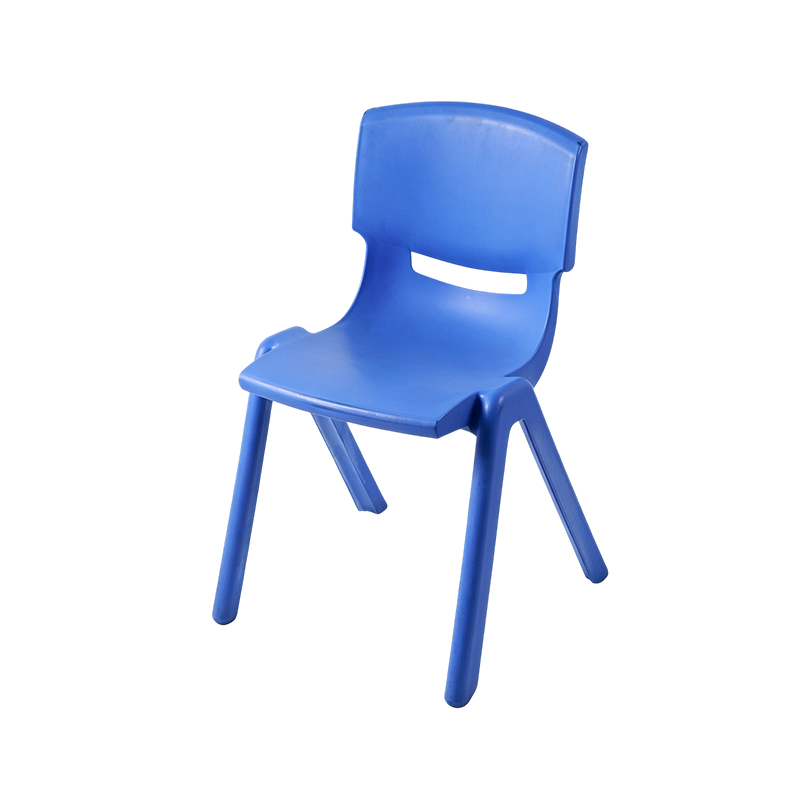
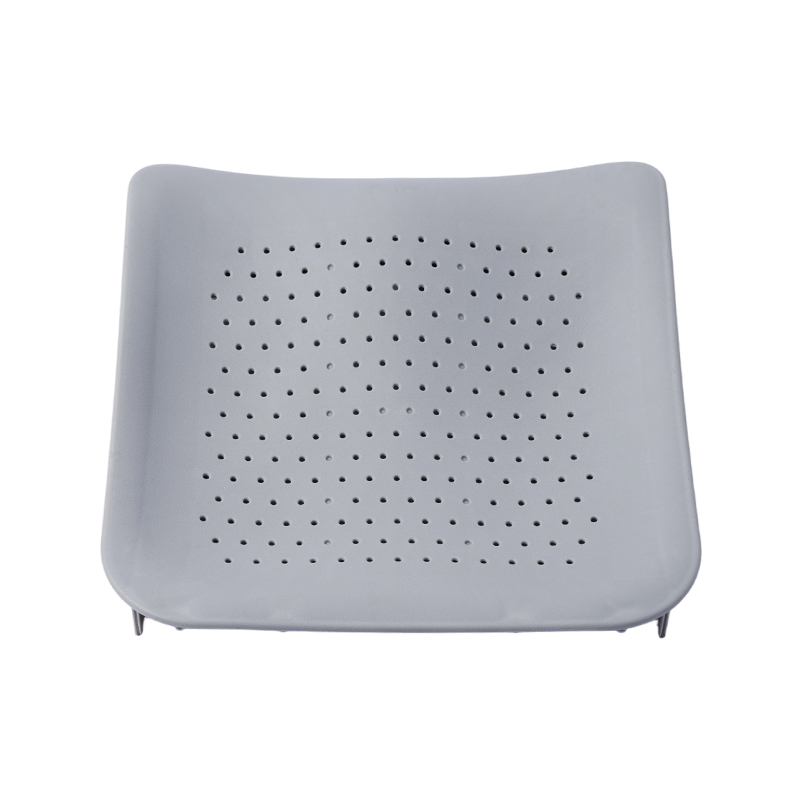
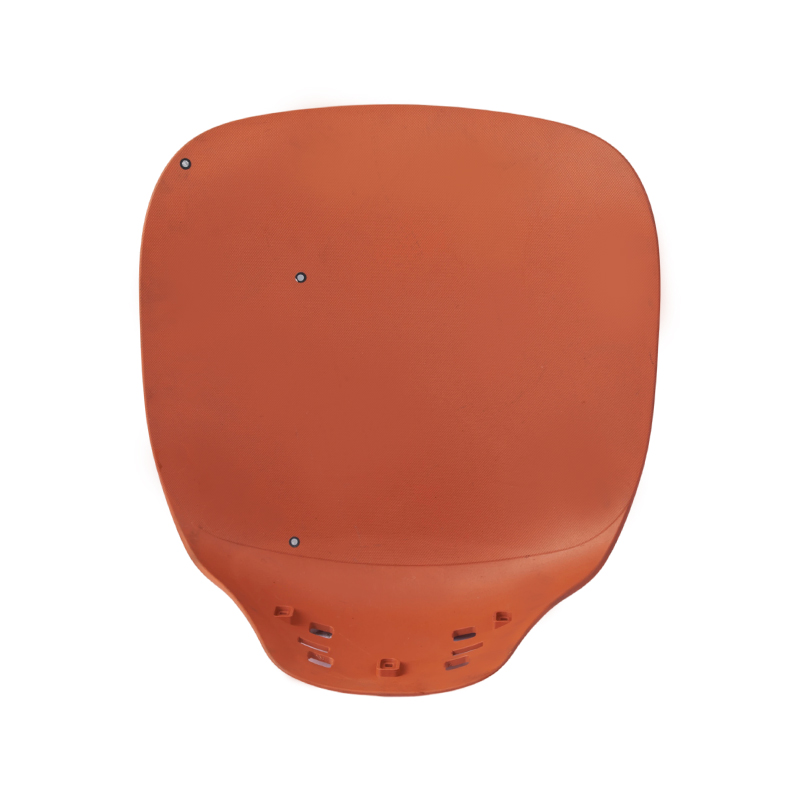
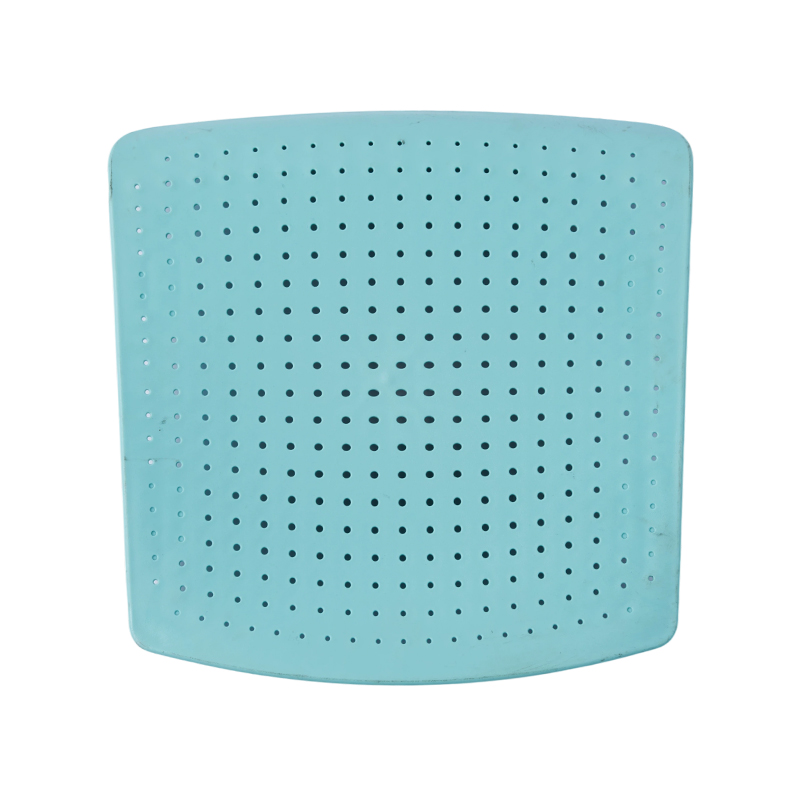
Seat shells, backrests, desktop panels and underside supports all lean on ribs for strength. A rib layout that stiffens the part without adding bulk keeps weight low and cuts material cost per piece. Ribs that stay thinner than the wall they support also reduce sink marks on the visible face. Bonuo builds desk and chair molds around these Plastic Mold Tips, because a classroom chair gets sat on and dragged across floors for years and buyers look for a part that stays flat and solid.
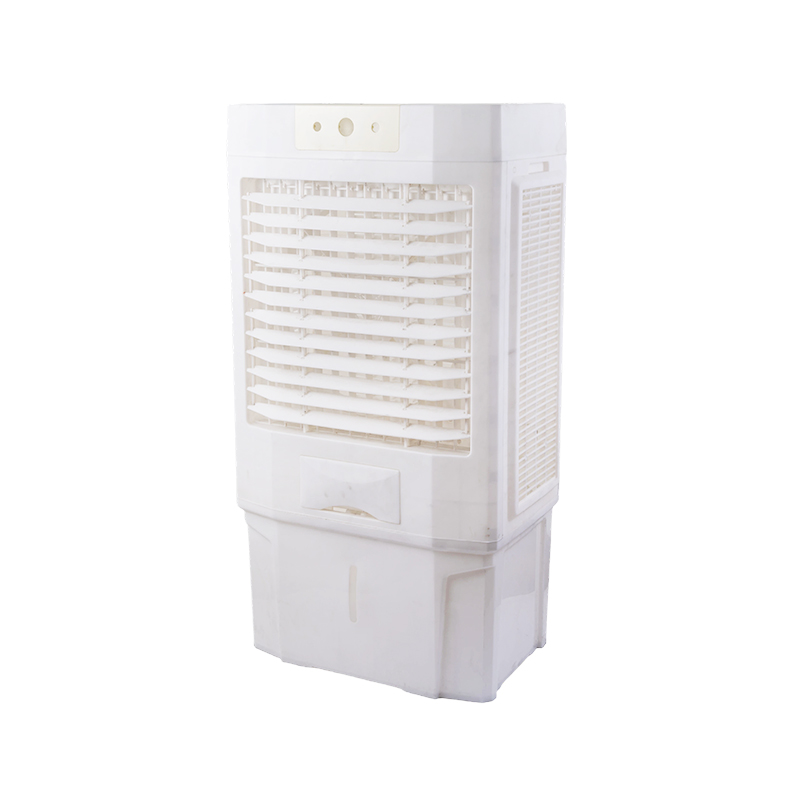
Air conditioner housings and panels are large, and their pieces must fit together without gaps. Size and appearance requirements combine on these parts, so the mold has to fill evenly and release cleanly. Parts with several moving cores or sliders call for a more complex mold structure, and that structure is what lets the part come out without damage. Venting at the end of the flow path lets air leave the cavity, and well-placed ejector pins spread the release force across the part. Buyers who apply these Plastic Mold Tips to large molds review the three points with the mold maker during design, since each one changes how the mold behaves in production.
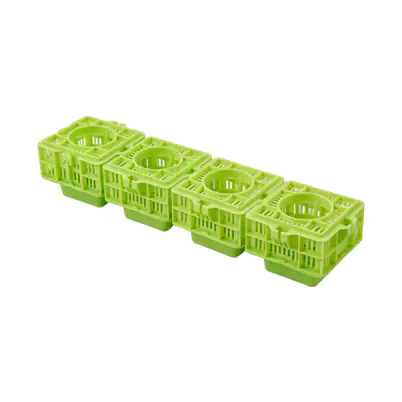
Daily product molds serve items such as containers, lids and household goods, where cost per part drives the buying decision. Among the Plastic Mold Tips for daily products, cavity balance carries the greatest weight. A multi-cavity mold with four, eight or more cavities lowers that cost on high-volume runs, provided every cavity fills at the same time. Balanced runners and cooling placed near each cavity keep parts uniform from one cavity to the next. Lids and closures need accurate cavity design so the seal holds. A multi-cavity mold also has to balance material efficiency against mold life, and Bonuo reviews that balance with the customer before the design is fixed.
|
Product Group |
Design Focus |
Mold Feature That Drives Output |
|
Desk and chair molds |
Strength at low weight |
Rib layout and cooling near thick sections |
|
Air conditioner plastic molds |
Large size, precise fit |
Sliders, cores and clean release |
|
Daily product molds |
Cost per part at volume |
Multi-cavity layout and cooling |
|
Dormitory bed guardrail molds |
Impact strength, flat consistent parts |
Structural design and injection process control |
Bonuo works from the customer's product requirements. Its service covers one-on-one design consultation, material recommendations based on product use and budget, quality monitoring through the full mold build, and maintenance and repair after delivery. Each step ties back to the Plastic Mold Tips above, since cooling, rib layout and cavity design get settled during that consultation and not at the press.
Material choice belongs in the same conversation as thesePlastic Mold Tips . A desk panel, a guardrail and a household container each call for a different plastic, and the mold has to match the material's shrinkage and flow. Bonuo suggests options and lets the customer weigh cost against performance. For buyers who plan repeat orders, maintenance and repair support keeps a mold in service for the length of the program, and consistent dimensions from the opening shot of a run to the final one are what protect assembly lines downstream.


Product Categories
Contact Us

+86-13586020128

No. 118, Xiangnv Road, Chengjiang Street, Huangyan District, Taizhou City, Zhejiang Province, China
Ready to Begin?
Get in Touch

Now!

BONUO
 English
 русский
 Español
 عربى

