
A student chair seat that comes out of the mold slightly bowed or twisted rarely gets caught until it's already sitting unevenly on a classroom floor, and by then the defect traces back to a mold design decision made long before the part was ever molded. School Desks and Chairs components, particularly wide, flat panels like seats and desktops, are exactly the kind of geometry especially prone to warping once internal stresses inside the cooling plastic pull unevenly against each other.
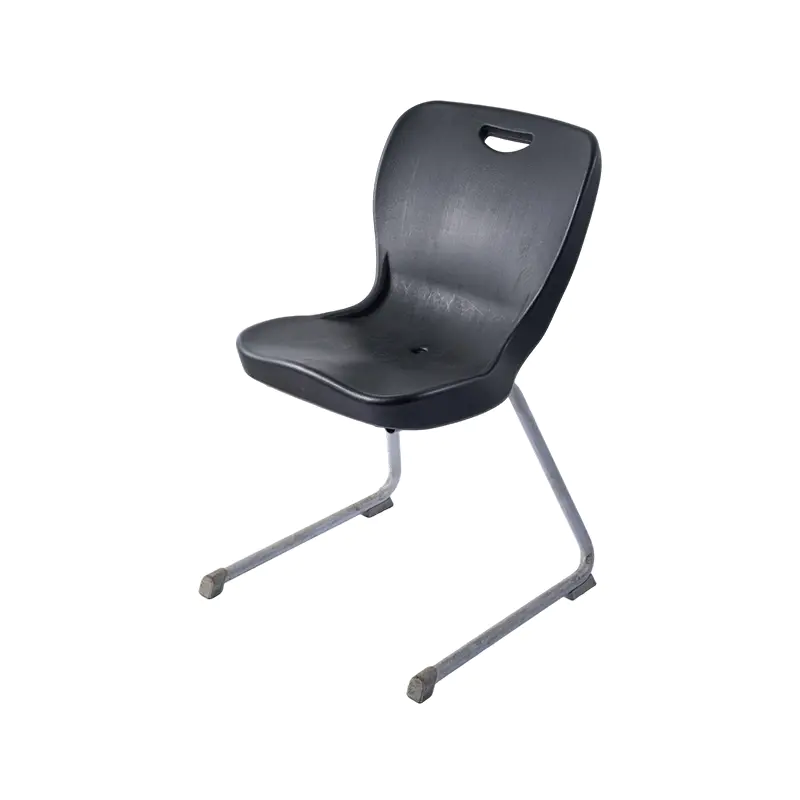
Rib layout on the underside of a School Desks and Chairs seat or desktop panel reinforces the part structurally without requiring a thicker, heavier overall wall section, since a well-placed rib grid resists flexing under a seated student's weight far more efficiently than simply molding the entire panel thicker would. School Desks and Chairs designs that rely on uniform wall thickness instead of a calculated rib pattern end up either too heavy for practical daily handling or too thin to resist the sagging and cracking that repeated classroom use produces over several years. Taizhou Huangyan Bonuo Mould Co., Ltd. designs this rib geometry to balance load-bearing strength against material use, since every gram of unnecessary plastic in a rib adds cost and cycle time without a corresponding gain in strength.
Injection mold rib design interacts directly with how evenly a part cools, since a rib section thicker than the surrounding wall retains heat longer during the cooling cycle, and that uneven cooling is one of the more common causes of warping in a flat panel like a chair backrest or desktop surface. School Desks and Chairs molds engineered with rib thickness kept proportional to the adjacent wall section avoid creating these localized hot spots, letting the part cool at a more consistent rate across its full surface rather than shrinking unevenly as thicker sections lag behind thinner ones. Getting this proportion wrong is a common source of warping complaints on parts that otherwise looked structurally sound during the initial design review.
Cooling channel placement throughout the mold determines both how quickly a part can be ejected and how evenly heat leaves the plastic as it solidifies, and channels routed too far from a thick section leave that area cooling more slowly than the rest of the part, a mismatch that shows up as warping once the finished piece is removed from the mold and allowed to fully stabilize. Well-placed cooling channels shorten the cycle time needed for each shot while also producing flatter, more dimensionally accurate parts, meaning cooling design serves both a production-efficiency goal and a quality goal at the same time rather than trading one against the other. School Desks and Chairs production lines running high daily volumes depend on this dual benefit specifically, since a mold that cools slowly limits daily output even when every part it produces meets specification.
A mold built with correct rib geometry and cooling channel placement still needs consistent injection pressure, hold time, and cooling duration applied shot after shot to deliver the same result across an entire production run. School Desks and Chairs parts that measure correctly on an early sample but drift slightly warped by the hundredth or thousandth shot usually point to a process control issue rather than a flaw in the underlying mold design itself, which is why production monitoring matters as much as the tooling that gets built at the outset.
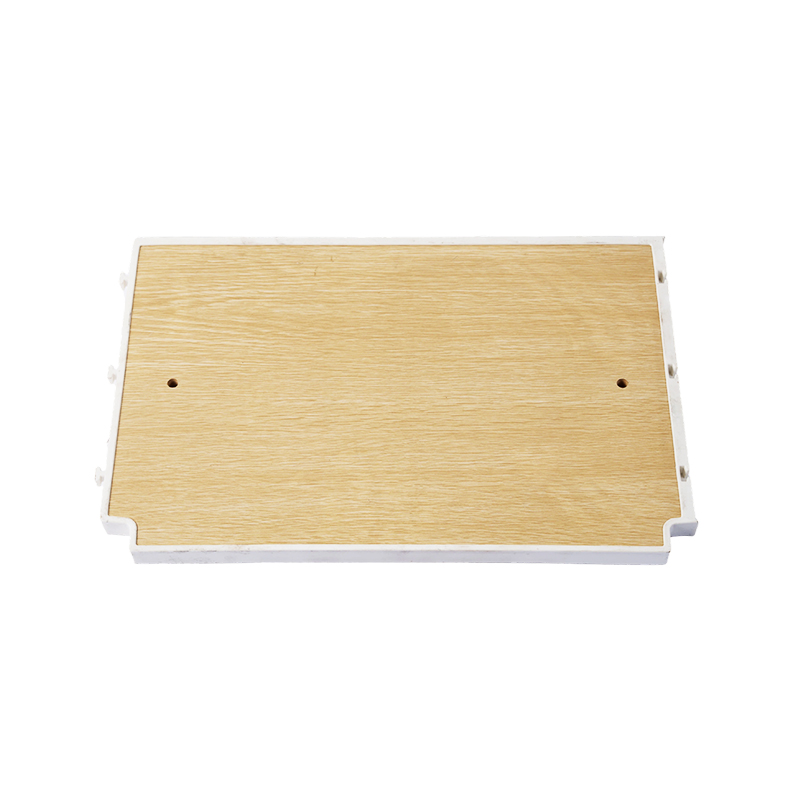
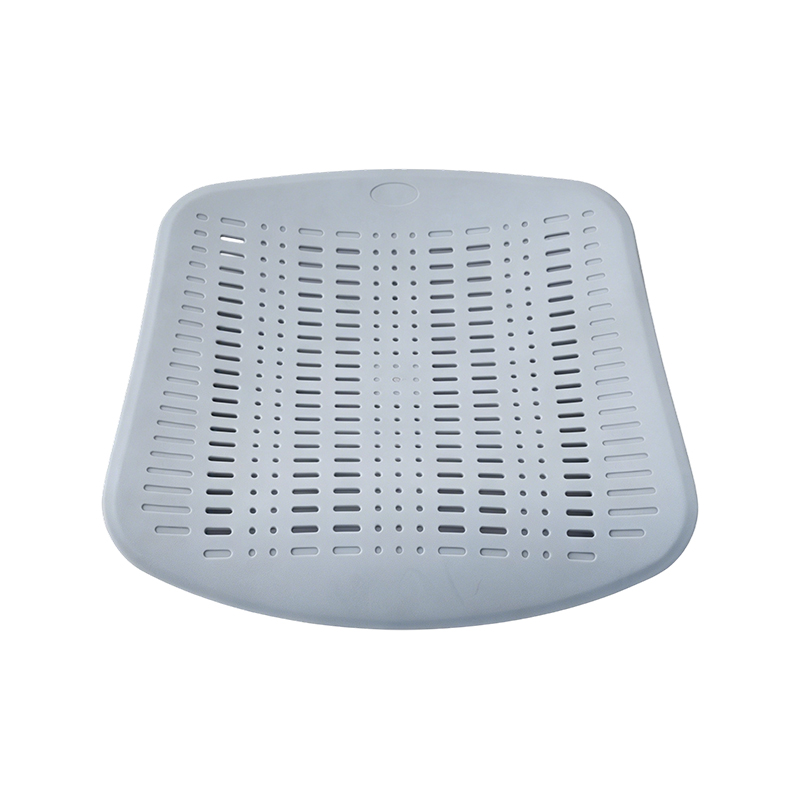
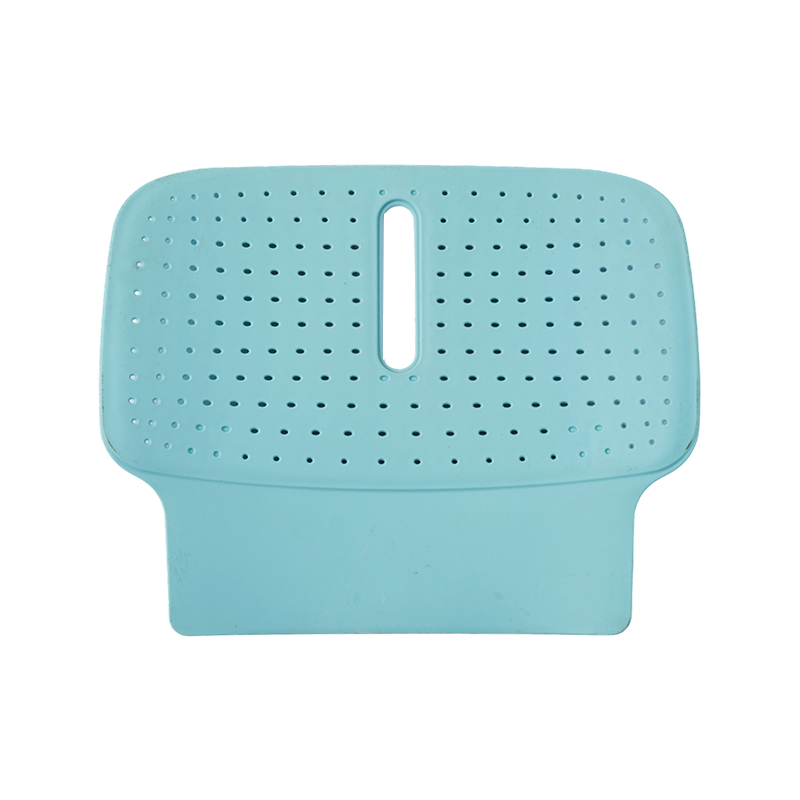
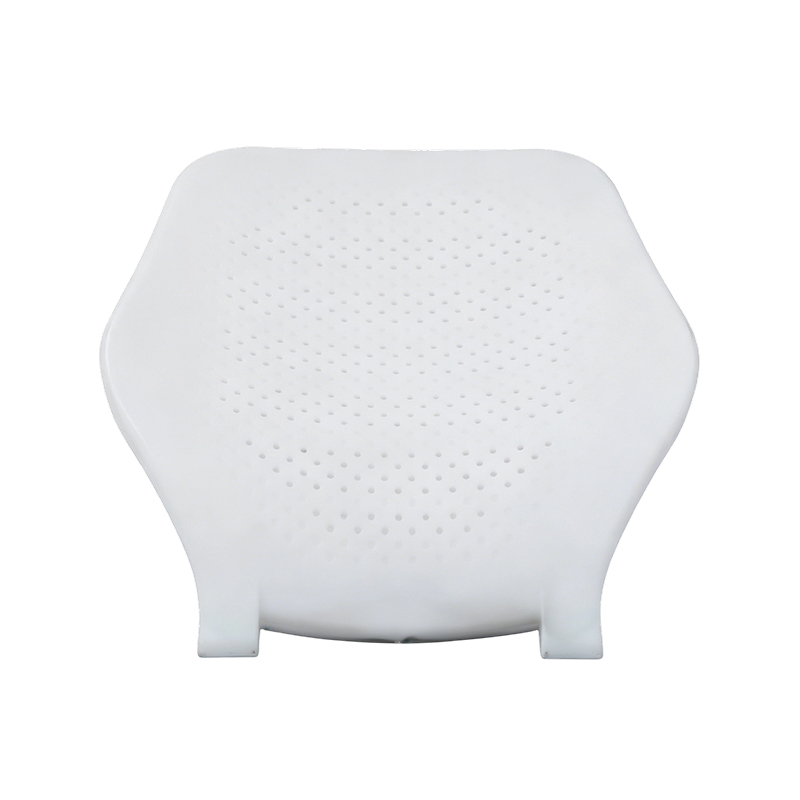
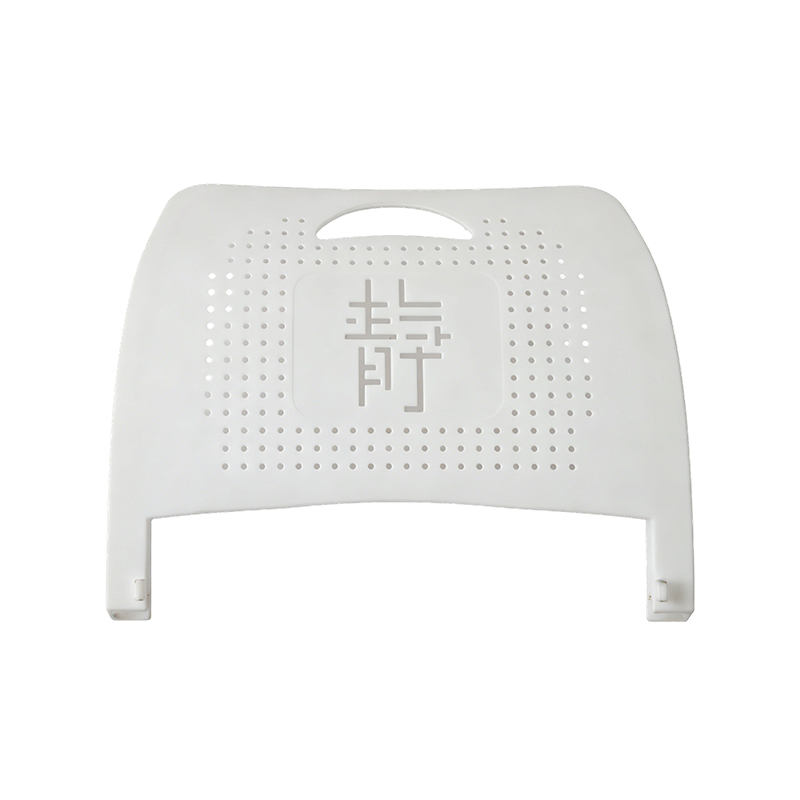
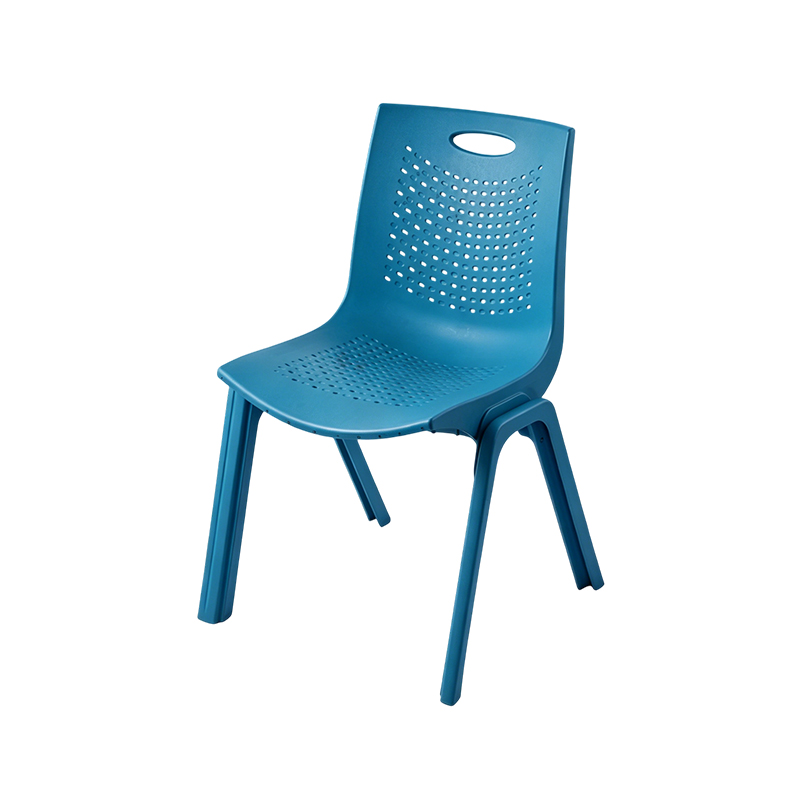
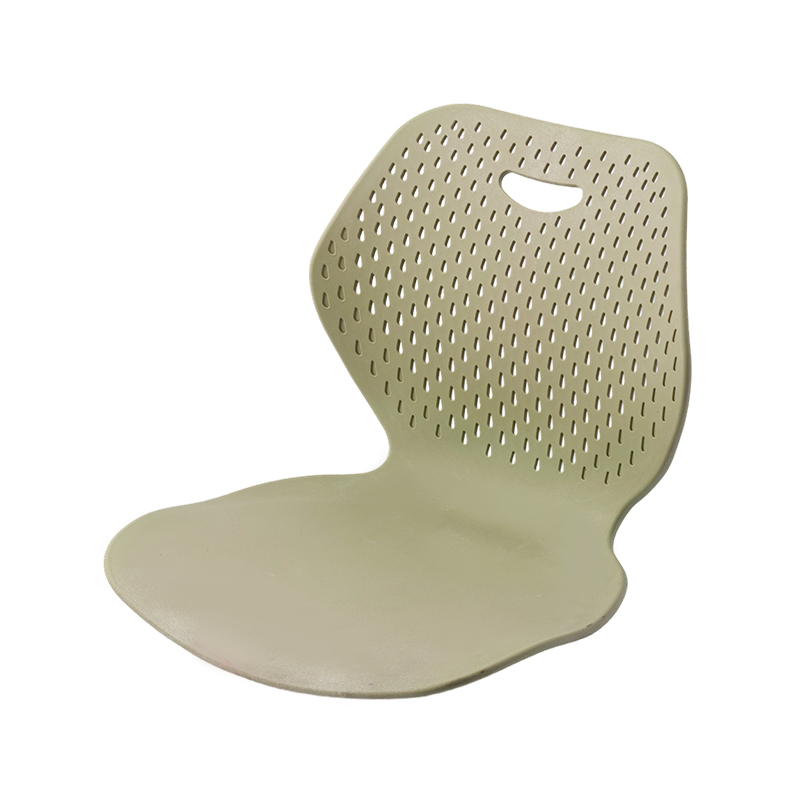
Buyers sourcing School Desks and Chairs molds for classroom seating, training desks, or connected chair systems should confirm rib layout and cooling channel design were engineered specifically for the panel geometry and expected daily load their application involves, rather than adapted from an unrelated part design. Taizhou Huangyan Bonuo Mould Co., Ltd. supports this kind of application-specific tooling for School Desks and Chairs across student chairs, stools, and desktop components, and buyers placing bulk orders for a full classroom furniture line should confirm consistent part flatness and structural performance are verified across a complete production run rather than only on an early trial sample.




Product Categories
Contact Us

+86-13586020128

No. 118, Xiangnv Road, Chengjiang Street, Huangyan District, Taizhou City, Zhejiang Province, China
Ready to Begin?
Get in Touch

Now!

BONUO
 English
 русский
 Español
 عربى

