
A bunk bed guardrail sees more daily stress than almost any other piece of hardware in a student dormitory: a shoulder leaning against it while a student climbs down, a bag dropped against the edge, months of contact from students shifting in their sleep. School Dormitory Beds built with a guardrail that cracks or deforms under this kind of routine contact turn a safety feature into a liability, which is exactly why the mold producing that guardrail has to be engineered around impact resistance at the earliest design stage rather than treated as a simple plastic strip. Buyers evaluating School Dormitory Beds tooling for a new furniture program often focus on the visible bed frame and mattress components, overlooking how much of the actual safety performance rides on the guardrail mold specifically.
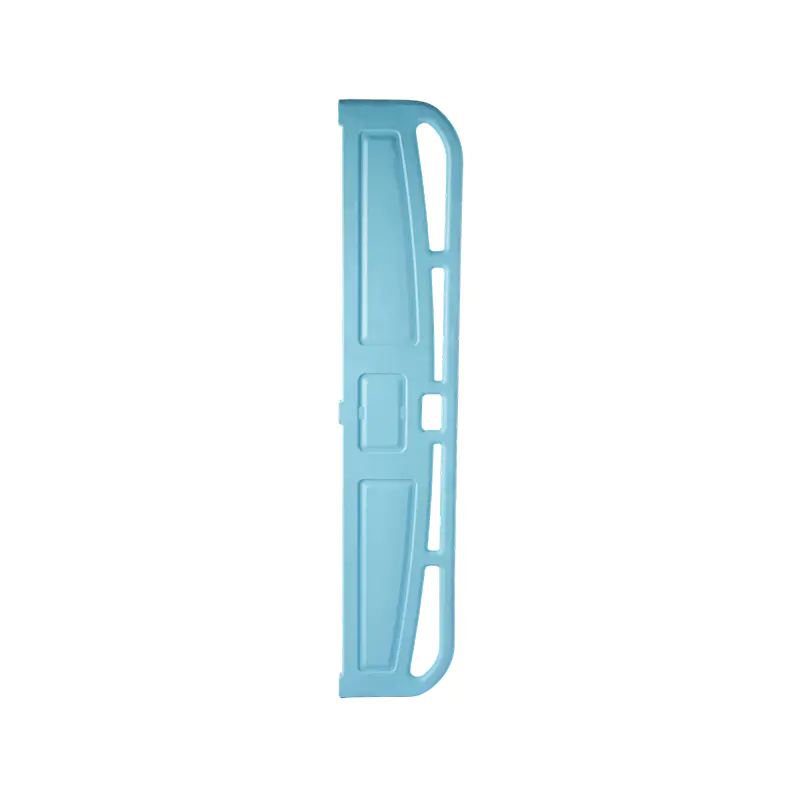
A blow molded guardrail edge forms a hollow, rounded profile rather than a solid bar, and this hollow structure flexes slightly under impact and returns to shape instead of cracking the way a rigid, solid-fill edge would under the same contact force. School Dormitory Beds fitted with this style of guardrail tolerate the daily bumps and knocks of dormitory life far longer than a guardrail molded as a flat, unyielding strip, since the blow-molded profile distributes impact energy across its rounded surface rather than concentrating stress at a single contact point. Taizhou Huangyan Bonuo Mould Co., Ltd. designs its blow-molded guardrail tooling specifically around this flex-and-recover behavior, since the wall thickness and hollow cavity proportions both affect how well the finished part handles sustained impact over years of use.
School Dormitory Beds guardrails have to satisfy an ergonomic requirement that goes beyond impact strength alone: no edge or corner on the finished part can present a sharp contact point that risks injury to a student brushing against it in a dark room or during a quick climb down from an upper bunk. Mold cavity design accounts for this by rounding every exposed edge to a consistent radius, a detail that has to be built into the tooling itself rather than corrected after molding, since a sharp edge that appears in the cavity geometry transfers directly into every part the mold produces. Getting this radius consistent across the full guardrail length matters as much as the impact resistance itself, since a single sharp transition point anywhere along the rail undermines the safety purpose the rest of the design was built around.
A bunk bed safety barrier has to mount securely against the bed frame it was designed for, and this fit depends on the mold holding tight dimensional tolerances across the mounting points where the guardrail attaches to the frame structure. School Dormitory Beds guardrails molded with even slight dimensional drift can either sit loose against the frame, defeating the stability the barrier is meant to provide, or fit too tightly to install and remove cleanly during bed reconfiguration or cleaning. High-wear-resistant plastic materials used in this application help the mounting points hold their molded dimensions through repeated installation and removal cycles rather than gradually deforming under the clamping stress those points experience.
School Dormitory Beds guardrail orders typically involve outfitting many identical bunk bed units across a single dormitory building, which means dimensional consistency across a full production batch matters more here than on a product where each unit stands alone. A mold holding tight tolerance on one trial sample but drifting slightly over an extended production run produces guardrails that fit the earliest beds installed but sit noticeably looser or tighter on units assembled later in the same building. Precision mold design paired with advanced injection molding process control is what keeps guardrail dimensions and flatness consistent from the earliest cavity shot through the last unit needed to complete a full dormitory order.
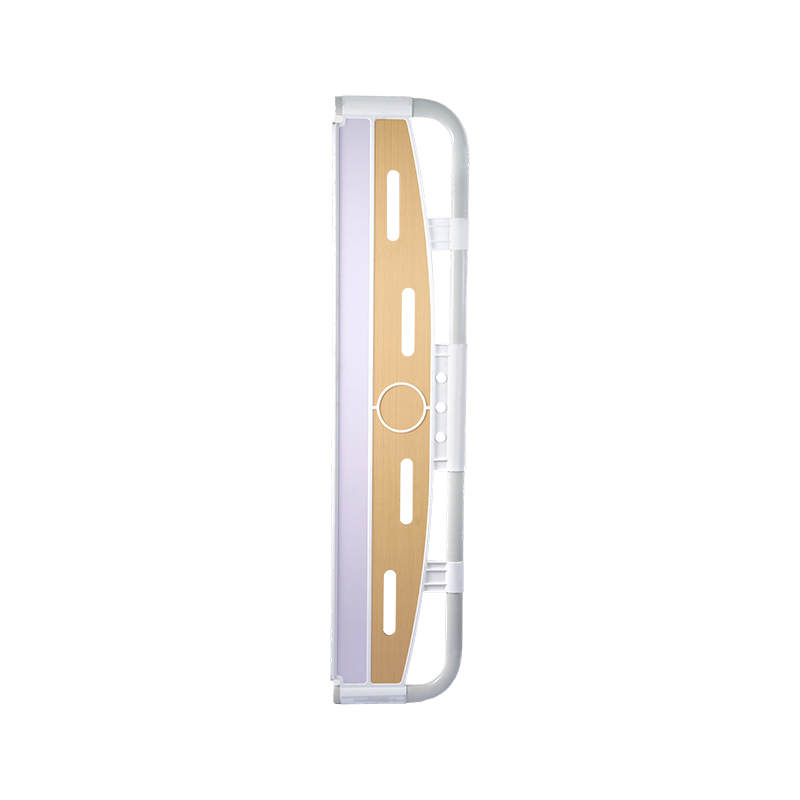
Buyers sourcing School Dormitory Beds guardrail tooling for a new furniture line should confirm the mold accommodates the specific bed frame dimensions and mounting style their design calls for, along with the wear-resistant material grade suited to the expected service life. Taizhou Huangyan Bonuo Mould Co., Ltd. supports this kind of application-specific tooling for School Dormitory Beds across steel-frame and full-plastic guardrail configurations, and buyers placing bulk orders for a full dormitory renovation project should confirm production capacity and delivery scheduling match the installation timeline their project actually requires.


Product Categories
Contact Us

+86-13586020128

No. 118, Xiangnv Road, Chengjiang Street, Huangyan District, Taizhou City, Zhejiang Province, China
Ready to Begin?
Get in Touch

Now!

BONUO
 English
 русский
 Español
 عربى
عربى
